
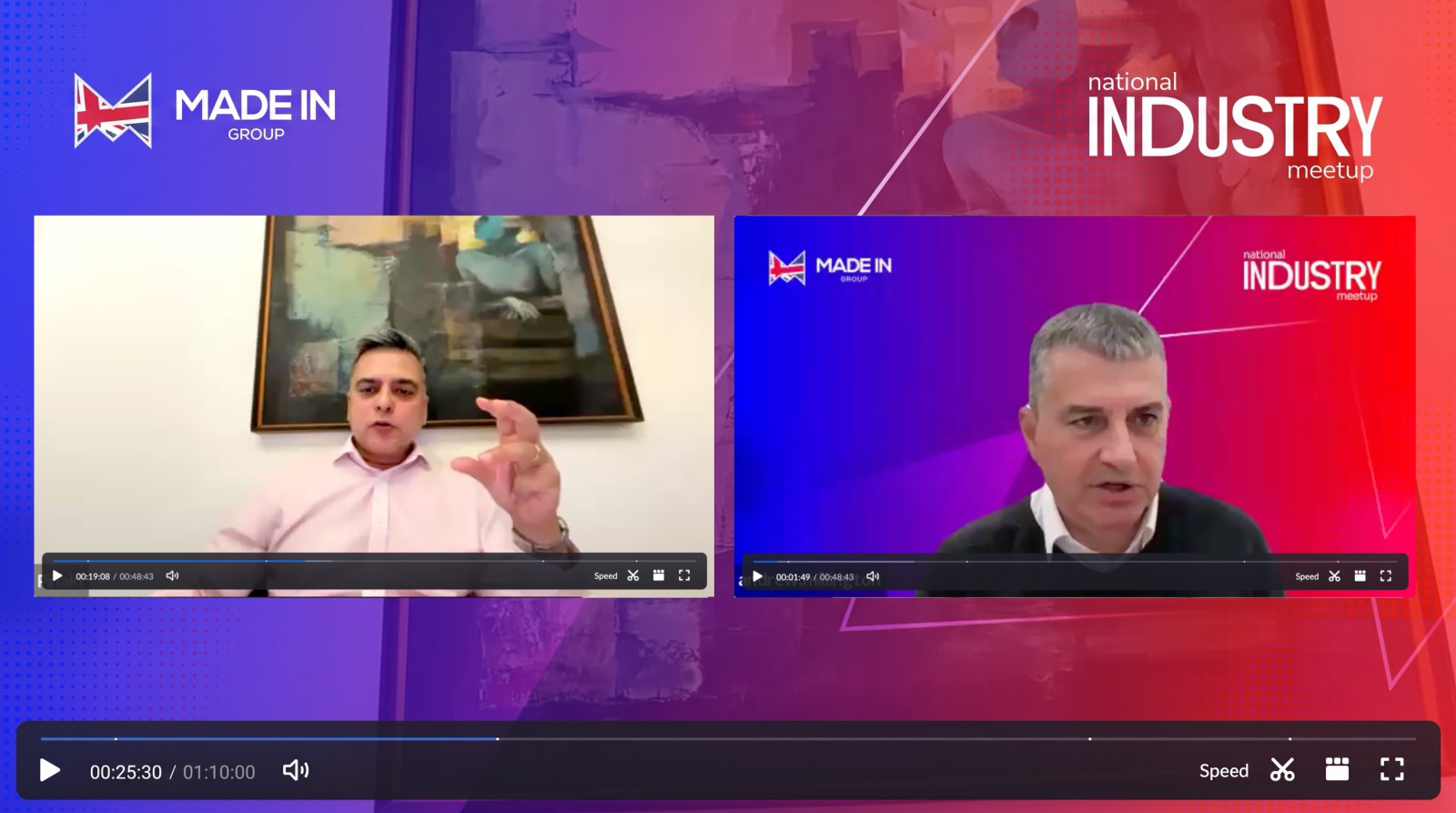
Current macroeconomic talk is dominated by supply chain fragility, skills shortages and a slowing wider economy. How UK manufacturing overcomes these hurdles is a source of intense debate and innovation. As countries strive to create resilient and productive economies, relatively few acknowledge the vital role mid-market manufacturers play in pushing the boundaries of technology and operational capacity.
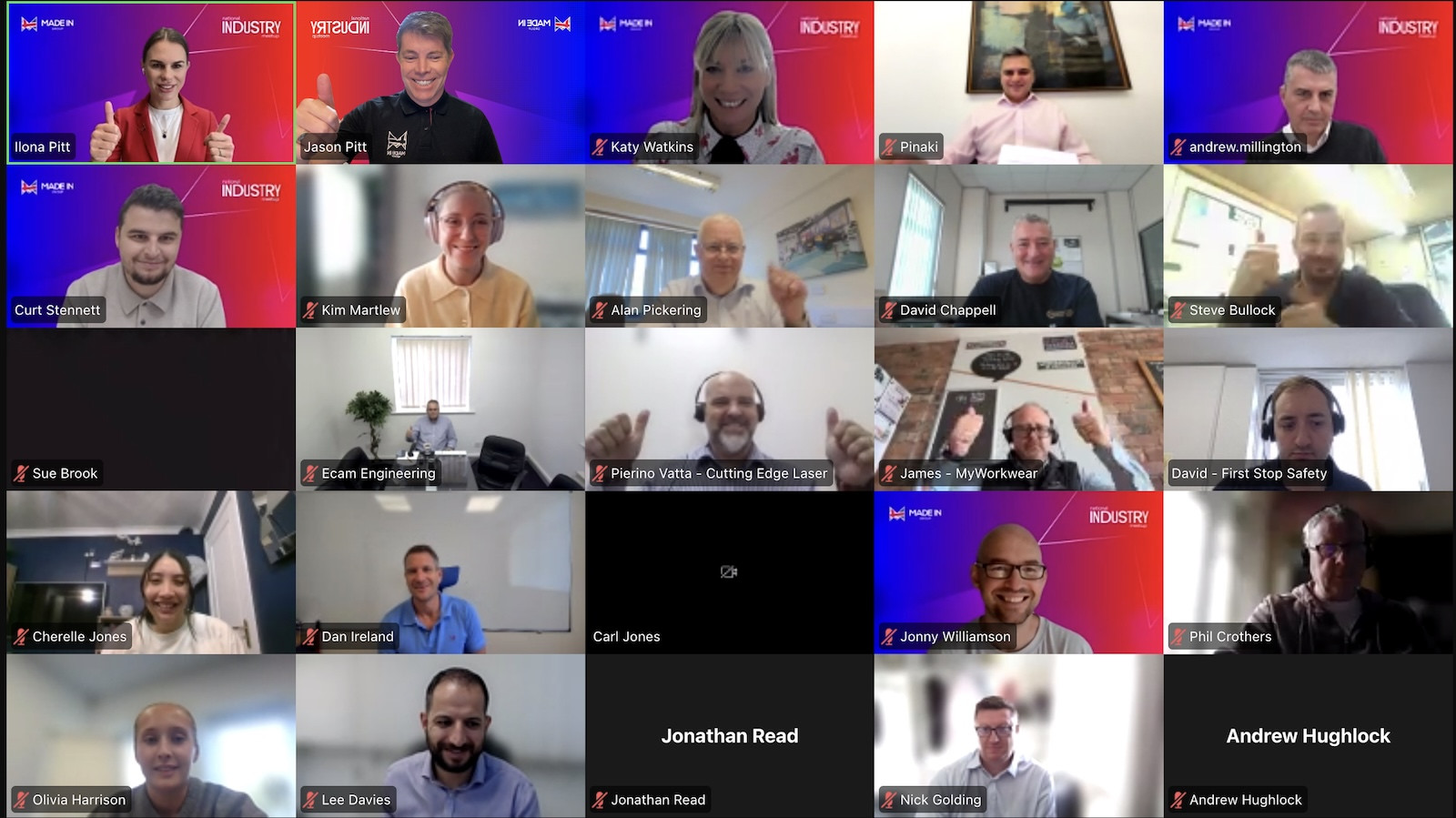
Setting the stage for exactly this kind of collaboration, Ilona Pitt, Director of the Made in Group, hosted the recent National Online Industry Meetup. Welcoming members from across the country, Ilona introduced a fantastic lineup of speakers drawn from the Made community to share best practice, practical insights and knowledge. This month's headline speakers included Pinaki Banerjee, CEO of PP Control & Automation, Andrew Millington, Managing Director at Cutting Edge Laser, and Jason Pitt, CEO of the Made in Group.
The mission of the morning was clear, to foster collaboration, inspire innovation and drive growth in a manufacturing ecosystem that is evolving faster than ever. The overriding message to delegates was that building a future manufacturing base requires scalable growth, sustainable succession and connected supply chains.
The Growth Engine and Agentic AI
While much of UK manufacturing is navigating difficult market conditions, some companies are moving aggressively against the tide. Pinaki Banerjee detailed an ambitious strategy to grow his business from £28m to a record £42m this year, with a £100m target set for 2028.
Achieving this level of organic growth requires more than just working harder, it demands strategic realignment. Banerjee explained how shifting from a traditional panel builder to a strategic outsourcing partner has unlocked over £10m in new contracts. This was achieved specifically by targeting high growth sectors like energy and infrastructure.
However, commercial success only creates value if the operation can actually absorb it. To remove constraints, the company is leaning heavily into bespoke Agentic AI. Banerjee advised the audience to start with the problem, not the technology. By deploying custom AI to process highly complex technical PDFs running to over a thousand pages, PP Control & Automation reduced quoting and Bill of Materials generation from days to mere hours. The net result has been a 36% recovery in headcount capacity.
Realistic Routes to Employee Ownership
The theme of sustainable business structure was picked up by Andrew Millington. Transitioning an SME to an Employee Ownership Trust is frequently lauded as a cultural triumph, but Millington shed light on the rigorous practicalities required to actually make it work.
For a £7m turnover business, succession is about protecting the company’s legacy and ensuring it thrives without its original owner managers. Millington cautioned against the trap of aggressive sale valuations that saddle the ongoing business with unmanageable debt.
He also stressed the importance of resetting employee expectations post sale and heavily investing in operational infrastructure. Moving away from disjointed legacy databases to sector leading software has been crucial in building a business that operates smoothly, without relying on the historical relationships of its founders.
Overcoming Fragmented Supply Chains
Despite the UK boasting 183,000 manufacturing companies, Jason Pitt noted that only around 18% are considered innovation active. These are the businesses actively looking at long horizon threats and opportunities.
To help bridge the gap between fragmented supply chain intelligence and practical industrial advantage, Pitt unveiled a new AI assisted approach to supplier discovery. At the upcoming Made in the Midlands and Made in Yorkshire Expos, exhibitors will utilise custom AI agents via QR codes.
These autonomous agents are pre loaded with deep domain knowledge regarding a specific company's certifications, machinery and capacity. Instead of a static directory, this creates dynamic commercial intelligence, allowing buyers to instantly qualify suppliers and map the UK industrial ecosystem for resilience gaps.
A Collaborative Future
Ultimately, the leaders navigating this challenging economic era are those who recognise that capability data, operational capacity and human talent must be integrated rather than siloed.
Wrapping up the session, Ilona Pitt reminded the community that the real momentum comes when manufacturers actively share their stories and invite their wider networks into the fold. With major events on the horizon, including the regional Expos and the highly anticipated Westminster trip to the House of Lords in December, the opportunities for practical collaboration have never been stronger.
The lessons from the morning were clear. Organic growth in a slowing economy requires pivoting toward expanding market segments. AI adoption must be driven by operational bottlenecks rather than technological novelty to yield genuine commercial returns. When it comes to succession, employee ownership transitions demand realistic valuations and immediate investment in scalable digital infrastructure. Finally, supply chain resilience relies on treating capability data as an active, intelligent network.